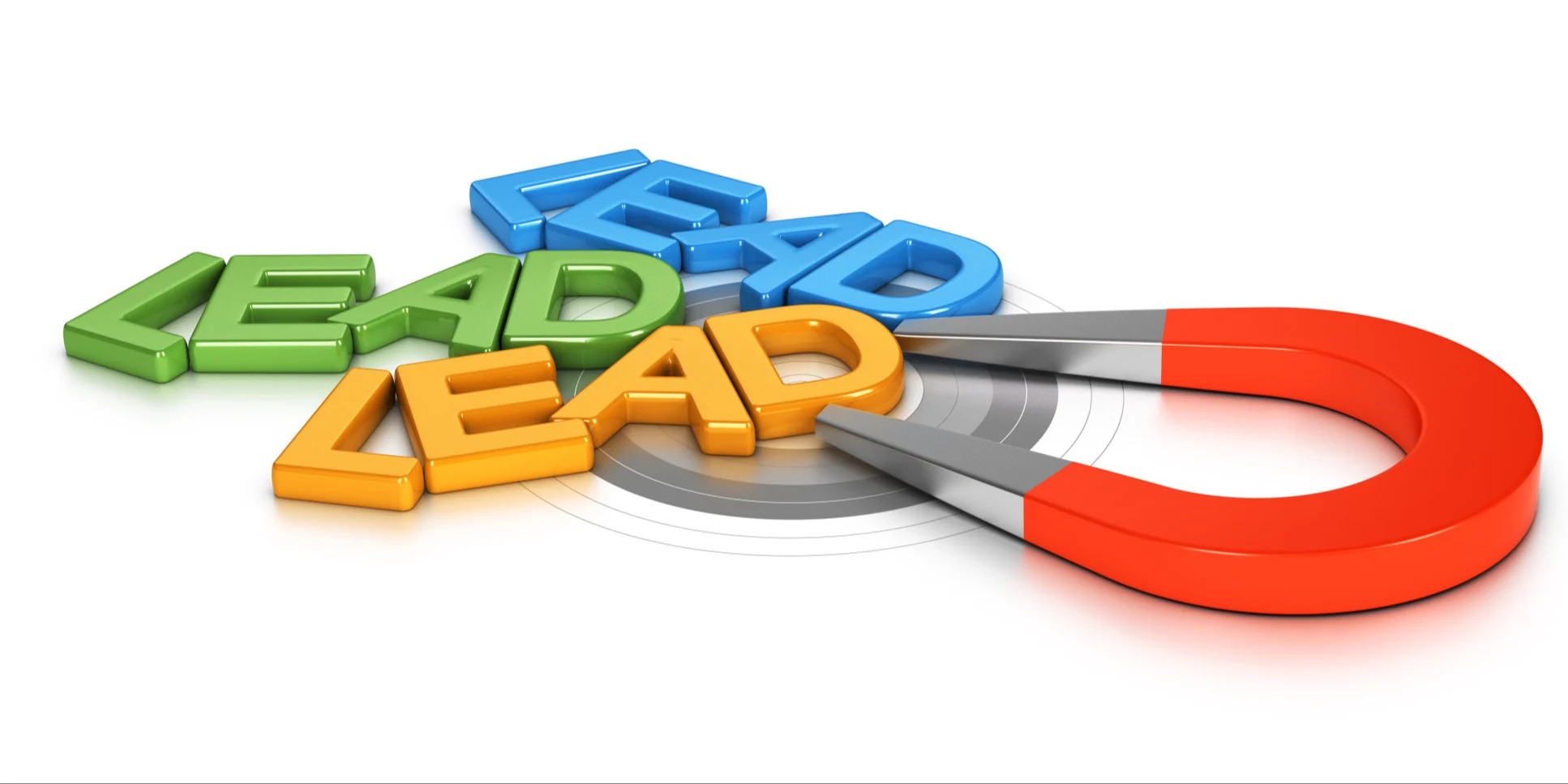
Sales teams waste countless hours chasing prospects who never convert, while competitors close deals with ready buyers who have budget, authority, and genuine need. Qualified lead generation focuses on attracting the right decision makers rather than simply filling pipelines with names and email addresses. The most effective B2B strategies target prospects who match specific criteria and show genuine interest in moving forward. These approaches deliver steady streams of high-quality leads, boosting revenue and driving sustainable growth.
Success requires identifying ideal customer profiles, engaging decision-makers across multiple channels, and nurturing prospects into genuine sales opportunities. Quality always outperforms quantity when building pipelines that convert. Partners who understand the nuances of targeting can transform scattered efforts into focused campaigns that deliver warm leads directly to sales teams. Companies looking to implement these proven strategies can benefit from expert sales prospecting services that specialize in connecting businesses with qualified prospects.
Table of Contents
- What is a Qualified Lead, and What are the Elements of A Qualified Lead?
- Why is Qualified Lead Generation Important?
- What is the Difference Between Marketing Qualified Leads (Mqls) and Sales Qualified Leads (Sqls)?
- 10 Best B2B Qualified Lead Generation Strategies for 2026
- Lead Generation Strategy Mistakes and How to Address Them
- Download our Free Asia Expansion Playbook
Summary
- Most B2B leads fail basic qualification standards when first generated, with only 27% considered sales-ready according to industry research. The gap between capturing a contact and connecting with a prospect worth pursuing explains why sales teams waste weeks nurturing relationships that were never going to close. This mismatch stems from marketing departments chasing volume-based metrics rather than quality indicators, filling pipelines with contacts that drain resources without generating value.
- Companies with disciplined lead-generation practices achieve 133% more revenue than their plan, a gap driven entirely by prioritizing fit over quantity. This performance difference arises when organizations screen for alignment before outreach, thereby compressing sales cycles and boosting close rates. Prospects matching ideal customer profiles encounter fewer adoption barriers, require less convincing, and progress naturally through decision stages because the foundation rests on genuine fit rather than persuasion tactics.
- Organizations excelling at lead nurturing generate 50% more sales-ready leads at 33% lower cost, according to Forrester Research. The math becomes clear when comparing acquisition costs between volume-focused approaches that pay for impressions and clicks that evaporate before the proposal stage versus selective qualification that invests upfront in research and targeting. Every dollar spent confirming alignment before outreach returns multiples in saved time, higher conversion rates, and predictably closing deals instead of stalling indefinitely.
- Average conversion from marketing qualified leads to sales qualified leads ranges between 12% and 21%, with top-performing organizations reaching 25% to 35% through rigorous qualification discipline. These gaps reflect how well teams filter noise from signal, investing resources in prospects who genuinely match their ideal customer profiles rather than chasing vanity metrics. Higher conversion rates prove that initial targeting was precise, nurturing was relevant, and handoff criteria were calibrated correctly.
- Research shows that 92% of B2B buyers exhibit heightened purchase intent after encountering trusted endorsements, making social proof critical for differentiating offerings in crowded markets. Prominently featuring verified feedback from platforms like G2, alongside targeted testimonials from comparable roles and sectors, reassures evaluators early by demonstrating proven outcomes. Strategic placement across landing pages, email communications, and proposal materials addresses hesitation and accelerates confidence-building through validation, enabling faster advancement to sales conversations.
- Expand in Asia’s sales prospecting services addresses these qualification challenges by applying systematic frameworks tailored to regional business norms, identifying decision-makers early, and delivering messages that resonate with local priorities rather than imported assumptions.
What is a Qualified Lead, and What are the Elements of A Qualified Lead?
A qualified lead is a potential buyer who has been carefully vetted to confirm a real opportunity, decision-making authority, and alignment with your ideal customer profile. Qualification converts casual interest into actionable opportunities, enabling sales teams to focus time where it matters most.

🎯 Key Point: A qualified lead combines three essential elements: genuine buying intent, decision-making power, and fit with your target market. Without all three, you’re chasing prospects who can’t or won’t buy.
When marketing departments chase volume-based KPIs instead of quality metrics, pipelines fill with contacts that waste everyone’s time. According to Salesgenie, only 27% of B2B leads are sales-ready when first generated. Qualification bridges the gap between a name in your CRM and a prospect worth calling.
“Only 27% of B2B leads are sales-ready when first generated, highlighting the critical need for proper qualification processes.” — Salesgenie
💡 Best Practice: Focus on lead quality over lead quantity. A smaller pipeline of qualified prospects will always outperform a massive list of unqualified contacts.

Decision-Making Authority
The first element focuses on whether your contact has the power to make buying decisions within their organization. Enthusiasm means nothing if the person you’re talking to lacks the rank or influence to approve purchases.
Sales conversations stall when prospects need approval from executives, department heads, or procurement committees; they should have been included from the start. Targeting job titles like managers, vice presidents, or business owners ensures your discussions reach decision-makers.
Finding out who has the power to make decisions early on, through targeted questions or research into organizational charts, helps you avoid wasting time on dead ends. When you know the person you’re talking to can say yes, negotiations move faster and your chances of success improve because you’re building relationships with decision-makers, not intermediaries who pass along messages.
Alignment with Your Ideal Customer Profile
Prospects who resemble your most successful clients—sharing company size, organizational structure, budget capacity, or industry—stand out as promising. When these factors align, prospects recognize the value immediately and naturally move toward buying with minimal customization.
Prospects matching your ideal customer profile face fewer adoption challenges, respond well to tailored messaging, and build stronger long-term relationships. This alignment boosts conversion efficiency while reducing friction from incompatible fits.
Quality of Information Revealed
Strong leads provide clear, detailed information about readiness to move forward. Contacts openly share pressing challenges, confirmed funding availability, expected decision windows, and how your offering addresses pain points. This openness signals genuine interest rather than casual curiosity.
Unclear details create uncertainty and slow progress. High-quality information lets teams customise approaches, confirm mutual understanding, and move discussions forward with confidence. The difference between “we’re exploring options” and “we need to solve X by Q3 with Y budget” determines whether you’re having a real conversation or wasting time.
Level of Engagement Demonstrated
The depth and type of interactions reveal true buying intent. Actions ranging from submitting complete contact details to initiating calls, responding on social channels, reviewing educational materials, or attending discussions indicate genuine motivation. Evaluating these across multiple touchpoints reveals commitment levels that justify escalation rather than further nurturing.
Teams using sales prospecting services find that systematic engagement tracking across channels compresses qualification cycles by identifying prospects showing consistent, proactive involvement. Our approach provides visibility into behavioral patterns that distinguish serious buyers from passive browsers, enabling you to prioritize accordingly.
Why is Qualified Lead Generation Important?
Qualified lead generation means identifying which potential customers deserve your attention and which ones will waste your resources. This matters because B2B sales cycles span months, involve multiple decision-makers, and require significant investment. Directing effort toward contacts lacking budget, authority, or genuine need wastes time and effort. Qualification filters out mismatches early, concentrating energy where conversion probability justifies the cost.
🎯 Key Point: Qualification acts as your first line of defense against wasted resources—the difference between strategic selling and spray-and-pray approaches.
“B2B sales cycles involving unqualified leads can extend conversion timelines by 40-60% while dramatically reducing close rates.” — Sales Research Institute
⚠️ Warning: Skipping the qualification process may save time upfront, but it costs more in wasted effort and missed opportunities later.

How does qualified lead generation create predictable revenue
Chasing volume creates chaos. When pipelines fill with unvetted contacts, sales teams spend weeks nurturing relationships that will never close. Companies with mature lead generation practices achieve 133% more revenue than their plan, a gap driven entirely by prioritizing fit over quantity.
This discipline transforms unpredictable income streams into reliable forecasts by tracking opportunities grounded in real buying signals rather than speculation.
Why does strategic focus compress sales cycles
When organizations qualify potential customers before reaching out, they close deals faster and win more sales. Prospects who fit your ideal profile face fewer obstacles, require less persuasion, and move naturally through the buying process.
This builds momentum, where each good conversation moves you closer to your revenue goals rather than wasting time on unqualified leads.
Precision Targeting That Respects Context
Generic outreach fails in complex B2B environments where decision-makers filter aggressively. Qualification lets you organize prospects by company size, industry vertical, technology stack, or specific pain points. A manufacturing prospect with legacy systems and compliance constraints requires a fundamentally different approach than a tech startup that prioritises speed.
This precision extends to resource allocation. Account-based strategies concentrate effort on high-potential organizations rather than spreading resources across individuals lacking influence. Teams using sales prospecting services find that systematic qualification surfaces buying committees early, compressing cycles by engaging all stakeholders simultaneously instead of discovering gatekeepers mid-negotiation.
How does qualified lead generation reduce costs while increasing returns?
Chasing unqualified leads wastes money on outreach, follow-up, and product demos that don’t convert. Forrester Research reports that companies proficient at nurturing leads generate 50% more sales-ready leads at 33% lower cost. Qualified prospects move through the sales process faster, require fewer interactions to close, and deliver better long-term value because they represent a genuine fit rather than prospects requiring extensive persuasion.
What makes the math compelling for qualified lead generation?
The math becomes clear when you compare acquisition costs. Chasing volume means paying for impressions, clicks, and conversations that disappear before the proposal stage. Qualification inverts this by investing upfront in research and targeting, reducing downstream waste and yielding multiples in saved time, higher conversion rates, and predictable deal closure.
Not all qualified leads carry equal weight or readiness.
Related Reading
- What Is Appointment Setting
- Real Estate Appointment Setting Service
- Appointment Setting For Financial Services
What is the Difference Between Marketing Qualified Leads (Mqls) and Sales Qualified Leads (Sqls)?
Many companies put all interested contacts together, flooding sales teams with lukewarm prospects that waste time and kill momentum. The shift comes from clearly separating early curiosity from genuine buying signals, which sharpens focus, cuts waste, and turns the funnel into a high-velocity machine.
A 2023 Gartner Digital Markets survey of 175 U.S. business leaders at mid-sized firms found that 84 percent see the marketing-to-sales handoff as a major alignment roadblock.
“84 percent of business leaders see the marketing-to-sales handoff as a major alignment roadblock, yet 42 percent said strong teamwork lets them reach ready buyers at a faster pace.” — Gartner Digital Markets, 2023
Yet 42 percent said strong teamwork lets them reach ready buyers faster, while 66 percent pointed to solid lead-scoring practices as the top fix. Getting this distinction right solves the pain point and accelerates closings.
🎯 Key Point: The fundamental difference lies in qualification depth – MQLs show initial interest through engagement, while SQLs demonstrate genuine buying intent through specific criteria.
| Marketing Qualified Leads (MQLs) | Sales Qualified Leads (SQLs) |
|---|---|
| Early-stage interest | Sales-ready prospects |
| Marketing nurtures | Sales actively pursues |
| Engagement-based scoring | Intent-based qualification |
| Higher volume, lower conversion | Lower volume, higher conversion |
| Educational content focus | Solution-oriented discussions |
🔑 Takeaway: MQLs represent the beginning of the buyer’s journey with marketing ownership, while SQLs signal readiness for direct sales engagement – understanding this distinction prevents wasted resources and improves conversion rates.
How do the stages of qualified lead generation help teams work together?
Marketing Qualified Leads (MQLs) and Sales Qualified Leads (SQLs) represent two critical stages in potential customers’ progression from interest to purchase readiness. Understanding this distinction enables marketing teams to nurture leads effectively and sales teams to engage at the optimal moment.
What Defines a Marketing Qualified Lead (MQL)?
A marketing qualified lead is a prospect who has shown clear interest in your offerings through actions such as downloading guides, signing up for newsletters, or visiting key pages multiple times. Marketing teams score these contacts based on demographic fit (company size, industry) and behavioural signals that indicate potential, though the prospect still needs education or trust-building before a sales conversation.
Why does proper MQL scoring matter for qualified lead generation?
This stage matters because it fills the pipeline with volume while allowing nurturing campaigns to warm leads gradually. Rushing these leads to sales too soon leads to rep rejection and burnout; proper scoring keeps marketing accountable for quality volume and lays the foundation for higher conversion rates.
What Makes a Prospect a Sales Qualified Lead (SQL)?
A sales-qualified lead shows a strong desire to buy: asking for a personalized demo, inquiring about pricing, or confirming budget and timeline. Sales teams verify that the person can make decisions, their needs match your offering, and they are ready to move toward a deal.
At this stage, the lead has entered the decision phase, where customized pitches deliver the highest returns. These prospects convert at better rates, reducing guesswork and enabling shorter sales cycles and more predictable revenue.
Key Differences in Readiness and Buyer Stage
MQLs indicate mid-funnel curiosity, as prospects evaluate options and gather information, and respond best to helpful content and automated sequences. SQLs are at the bottom of the funnel, with active commitment signals, and require immediate human engagement via calls or meetings.
Ignoring this gap wastes resources: marketing over-nurtures ready buyers while sales chases prospects still gathering information. Industry benchmarks show MQL-to-SQL conversion averages 12–21%, with top teams hitting 25–35% through clear definitions. Getting the split right boosts efficiency, lifts win rates, and builds team momentum as both departments see measurable results.
Criteria and Scoring Approaches for Each Lead Type
For MQLs, teams rely on engagement thresholds, such as content interaction counts, email opens, or website behaviour, combined with firmographic matches, such as location or employee numbers. This approach lets marketing cast a wide yet targeted net, using tools to track digital footprints and raise readiness through relevant touches.
SQL criteria shift to explicit buying signals: BANT elements like confirmed budget, authority, need, and timeline, plus deeper actions such as trial requests or stakeholder involvement. Joint scoring models shared between departments ensure consistency, prevent debates, and enable data-driven handoffs that raise acceptance rates while keeping every qualification credible and actionable.
How does the handoff process work in qualified lead generation?
The change happens when a marketing qualified lead hits agreed scoring levels and sales accepts it as worth pursuing. Shared service-level agreements, regular sync meetings, and a single CRM view tracking every touchpoint enable this. Marketing passes detailed context notes, and sales provides quick feedback loops so the criteria evolve together.
Why does alignment deliver wins in qualified lead generation?
This structured handoff tackles the 84 percent challenge rate highlighted in Gartner research, delivering faster connections to qualified buyers and up to 24 percent quicker revenue growth for aligned organizations. Teams that invest here see improved lead conversion, reduced blame, and focus on core strengths.
Knowing the difference solves half the problem. Implementing strategies that generate qualified leads at scale requires a different skill set.
Related Reading
- Direct Marketing Lead Generation
- B2b Sales Companies
- Lead Research
10 Best B2B Qualified Lead Generation Strategies for 2026
Getting qualified B2B leads in 2026 means focusing on quality over quantity. It combines value-first approaches with quick qualification and organized follow-up. The best strategies attract high-intent accounts, recognize behavioral signals indicating readiness, and align marketing with sales to prioritize conversations that drive closed deals.

🎯 Key Point: The shift toward quality-focused lead generation means fewer but more valuable prospects who are already showing purchase intent and fit your ideal customer profile.
“Quality over quantity in lead generation can increase conversion rates by up to 300% when combined with proper lead scoring and behavioral tracking.” — B2B Marketing Research, 2025

💡 Pro Tip: Focus on behavioral signals like repeated website visits, content downloads, and pricing page views to identify leads who are actively evaluating solutions rather than just browsing.
1. Develop Premium Gated Resources
Special resources like industry reports, interactive checklists, or downloadable frameworks solve specific client problems while capturing contact information in exchange for access. This filters for genuine interest, reveals behavioural clues about pain points and buying stage, and enables accurate lead scoring and efficient routing in environments where anonymous browsing is common.
These resources give sales teams engagement context, enabling customized nurturing sequences that accelerate progression from marketing-qualified to sales-qualified status. Integrating first-party visitor data in 2026 refines prioritization, ensuring follow-ups target accounts demonstrating a strong fit and shorten cycles through relevant, timely outreach.
2. Organize Educational Webinars
Virtual sessions on practical solutions—such as streamlining operations or adopting new technologies—showcase your expertise and attract early-stage buyers seeking actionable insights. Focusing on problem-solving rather than promotion builds genuine connections and surfaces authentic questions, naturally qualifying participants through their engagement with the topic.
After the event, metrics such as full attendance, interactive questions, and resource downloads identify the most interested prospects for personalized follow-up sequences. Combining webinars with automated scoring and quick alerts prioritizes high-engagement attendees and converts informed audiences into faster contributors to the pipeline.
3. Facilitate Frictionless Demo Scheduling
Adding easy-to-use live help and calendar tools to key website pages lets interested visitors connect with the right expert immediately. This eliminates generic questions that drive people away. Smart routing based on job role, company details, or visitor behaviour ensures they receive help quickly while collecting information during booking.
This direct path capitalizes on moments of peak interest—research confirms that quick responses significantly increase conversion to qualified leads. Pairing these tools with real-time information delivers personalized meetings aligned with prospect needs, converting browsers into conversations and accelerating qualified opportunities.
4. Deploy Precision Retargeting Initiatives
Reach people who have visited your site before using focused ads with personalized offers, success stories, or related tools. Use first-party data for cookie-free campaigns to maintain relevance, comply with regulations, and direct people toward actions like reviewing pricing. This converts interest into engagement.
Keep your brand top-of-mind by sharing content that fits where people are in their buying journey. This converts uncertain prospects into qualified leads more effectively than indiscriminate outreach. Use data to adjust your spending toward accounts that are a good fit, since buyers respond best to timely reminders aligned with their values.
5. Pursue Audiences Engaging with Similar Providers
Finding keywords and behaviours linked to direct or nearby competitors lets you create targeted promotions that reach decision-makers already evaluating similar solutions. Honest comparison materials attract traffic from people interested in your category, filling your funnel with prospects showing clear purchase intent.
For 2026, adding intent monitoring to these campaigns helps you spot accounts ready to move forward, qualify them quickly, and position your brand as the natural next step for informed buyers.
6. Cultivate Inbound Flow Via Search Optimization
Write articles and guides matching the topics your target customers search for. Use strategic internal links to guide interested visitors toward deeper engagement, such as accessing resources or booking consultations. This focuses your traffic on people who fit your ideal customer profile.
This organic channel brings in qualified prospects already interested in your offering, outperforming cold outreach for lead conversion. Optimizing for AI search engines ensures your content appears in AI summaries, maintaining a steady flow of high-quality leads. Your sales team can then convert these leads into closed deals.
7. Engage Thoughtfully Across Professional Networks
Be present on platforms where your audience discusses their problems—mainly LinkedIn and targeted forums—by sharing helpful comments and solutions. When you consistently help people without promoting your product, they perceive you as trustworthy and are more likely to reach out when they need what you offer.
Pay attention to what people say and offer genuine help in conversations to find sales opportunities. When you build a strong personal brand, and the platform’s algorithm amplifies your message, your regular activity generates a steady flow of qualified introductions, helping you bypass gatekeepers.
8. Streamline Inquiry Capture With Intelligent Direction
Simple forms collect only the most important information while automated systems instantly verify fit, assign submissions to the right person, or schedule meetings immediately. This eliminates delays and capitalises on the person’s full attention immediately after submission.
Removing manual handoffs keeps people engaged and accelerates the progress of promising applications. Automatic triggers enable smooth transfers, converting strong submissions into sales-ready leads with minimal friction.
9. Establish Partnerships With Aligned Organizations
Working with partners who serve similar customers and share your values lets you create offerings or run events that reach more people cost-effectively. This demonstrates that both partners are trusted experts. By combining each partner’s strengths, you deliver greater customer value and introduce each partner’s products to audiences already interested in what you offer.
Tracking leads from partners using tagged systems reveals who brought in each customer and strengthens future partnerships. This approach leverages larger networks to create more opportunities for both partners to find quality customers, builds trust faster, and makes it easier for customers to choose you when partners recommend each other.
10. Highlight Genuine Client Endorsements
Use verified feedback from platforms like G2, TrustRadius, or Capterra alongside testimonials from people in similar roles and industries. Place these across landing pages, communications, and proposal materials to address concerns early.
92% of B2B buyers are more likely to make a purchase after seeing trusted endorsements. Combining reviews with prompts matched to each stage of the buyer’s journey converts browsers into active participants and accelerates the path to sales conversations.
But even the best strategies fail when teams make common mistakes that prevent prospects from qualifying before they reach sales.
Lead Generation Strategy Mistakes and How to Address Them
Slow response times kill momentum faster than almost any other failure in qualifications. When prospects submit inquiries, their attention peaks for minutes, not hours. Delaying contact by 30 minutes sharply reduces conversion probability because competitors who respond immediately capture that window of interest. Implement automated routing that directs inquiries to the right team member within seconds, paired with instant scheduling tools that let prospects book meetings without email delays.

🎯 Key Point: The first 30 minutes after a prospect inquiry are critical for conversion success. Every minute of delay gives your competitors an advantage in capturing that hot lead.
“Response time is the single most important factor in lead conversion – prospects who receive immediate responses are 7x more likely to convert than those contacted after just 1 hour.” — Harvard Business Review Lead Response Study

⚠️ Warning: Many businesses lose 60% of potential conversions simply by failing to respond within the golden window of immediate prospect interest. Don’t let slow processes cost you qualified leads.
Overcomplicating Initial Data Capture
Long forms asking for job titles, company revenue, department size, project timelines, and detailed problem descriptions before accessing a whitepaper cause prospects to leave. Prospects prefer easy interactions over extensive questionnaires. Each additional field increases abandonment as users weigh effort against perceived value. Simplify your form to request only email and company name, then use enrichment platforms to automatically populate company details from those two data points. This approach increases completion rates while providing the qualification data needed to prioritize follow-up effectively.
Ignoring Performance Metrics Across Channels
When you don’t know which campaigns create real conversations versus which ones waste money on clicks that never convert to sales, your strategy becomes an expensive guess. Teams focus on easy-to-count metrics like impressions or form fills without verifying whether those leads advance to sales conversations or close deals. This lack of visibility allows weak channels to persist while your best tactics remain underfunded, slowing growth and wasting resources. Set up tracking systems that measure conversion at every step, from initial engagement through deal closure, then review the numbers weekly to redirect budget toward what works and eliminate spending on what doesn’t. Using data to guide budget allocation removes guesswork and increases returns by concentrating effort where conversion is most likely.
Allowing Marketing and Sales Misalignment
When marketing prioritizes volume while sales pursues qualified decision-makers with budgets, the handoff between teams becomes a source of friction rather than a smooth process. Marketing generates contacts matching target profiles but lacking genuine interest, forcing sales to chase unqualified prospects who aren’t ready, don’t fit the offering, or lack purchasing authority. This misalignment erodes trust between departments, slows pipeline velocity, and frustrates both teams. When both teams define lead readiness criteria, share customer data, and meet regularly, confusion disappears. When both agree on lead scoring and handoff triggers, prospects advance smoothly because everyone understands what constitutes a qualification.
Overlooking Consistent Engagement with Early-Stage Prospects
In B2B sales, especially in complex technology fields, early-stage prospects aren’t ready to buy immediately. They need time to evaluate solutions, build trust, and secure team agreement. Without planned, value-driven communication, interest fades quickly. Competitors who remain visible win the opportunity, leaving your pipeline stalled.
How can structured nurturing improve the generation of qualified leads?
The most effective counter is structured nurturing programs that deliver targeted educational content, personalized follow-ups, and timely touches across multiple channels. This keeps your brand top-of-mind, educates buyers on challenges and solutions, and guides them toward sales readiness. Well-executed nurturing transforms lukewarm leads into warm, qualified opportunities that convert at higher rates with shorter sales cycles.
What challenges arise when expanding qualified lead generation into Asian markets?
This challenge intensifies for companies entering new markets, such as Asia’s fast-changing economies. Cultural differences, longer decision-making processes, and varying communication preferences across regions require careful, region-specific engagement to maintain interest without appearing aggressive.
How does specialized expertise enhance qualified lead generation in Asia?
Expansion in Asia helps B2B technology companies build and strengthen their sales pipelines across the region. As a Singapore-based specialist, we deliver customized outbound strategies backed by in-house precision research for accurate stakeholder identification, systematic prospecting, AI-powered sales automation, pipeline optimization through CRM tools, targeted LinkedIn outreach, professional webinar production for lead nurturing, and product-market fit validation to ensure local resonance.
Our focus on deep contact research, brand-respectful messaging, and multi-channel follow-ups ensures prospects receive consistent, meaningful interactions that respect Asian business dynamics while driving qualified conversations.
Download our Free Asia Expansion Playbook
Asia has 25+ different markets where decision cycles take longer, relationships matter more than pitches, and trust precedes transactions. Western strategies applied without adapting to local culture waste money on outreach that misses cultural details, targets the wrong people, and ignores regulatory issues that can derail deals.

🎯 Key Point: Most teams enter Asian markets by copying what they do at home, assuming LinkedIn messages and email schedules work everywhere. What closes deals in San Francisco gets stuck in Singapore because buying committees work differently, communication styles favor indirect over direct, and relationship-building takes patience that quarterly targets don’t allow. Prospects stop responding after initial interest, referrals don’t happen even with warm introductions, and pipelines fill with contacts who never move past exploratory calls.
“Decision cycles take longer, relationships matter more than pitches, and trust comes before transactions in Asia’s 25+ different markets.” — Regional Sales Analysis, 2024
Teams working with sales prospecting services find that organized qualification frameworks tailored to regional business norms shorten cycles by identifying decision-makers early, engaging stakeholders appropriately, and delivering messages aligned with local priorities. Our approach transforms generic outreach into conversations that acknowledge context, respect hierarchy, and demonstrate understanding of market-specific challenges.
⚠️ Warning: Generic outreach that works in Western markets often fails in Asia because it ignores cultural nuances and relationship-building requirements.

| Challenge | Western Approach | Asian Reality |
|---|---|---|
| Decision Making | Individual buyers | Committee-based decisions |
| Communication | Direct messaging | Indirect, relationship-first |
| Timeline | Quick closes | Extended relationship building |
| Trust Building | Pitch-focused | Relationship-dependent |
Expand in Asia helps B2B companies build qualified pipelines across these markets through customized outbound strategies, hands-on prospecting, and pipeline management designed for Asian buying behaviours. With a 98% success rate across 15+ industries, our approach prioritizes fit over volume, ensuring conversations connect with the right people about the right problems at the right time. The free Asia Expansion Playbook outlines exact steps for adapting lead generation tactics to regional realities: stakeholder identification, message localization, and follow-up schedules aligned with cultural expectations.

🔑 Takeaway: Book a free strategy call to discuss your market entry goals, or download the playbook to start building pipeline infrastructure that converts Asian prospects into closed revenue without trial-and-error costs.
Related Reading
- Telemarketing Appointment Setting
- B2b Lead Generation Companies In Singapore
- Msp Appointment Setting