

Sales teams waste countless hours chasing unqualified prospects, missing decision-makers, and sitting through calls that go nowhere. Qualified Lead Generation requires a strategic process that connects teams with prospects who have budget, authority, and genuine interest. The key lies in appointment setting, filling calendars with meetings that matter rather than empty conversations.
Effective appointment setting bridges marketing efforts and sales results by handling research, outreach, and qualification upfront. This ensures that sales teams speak only with prospects who match their ideal customer profile and are ready to engage. Rather than cold-calling into the void, teams secure confirmed meetings with decision-makers who expect their call and are prepared to explore solutions through professional sales prospecting services.
Table of Contents
- What is Appointment Setting in Sales and Business, and Why is it Important?
- Who is an Appointment Setter, and What is Their Role in Business?
- What are the Top Focus Areas for a Successful B2B Appointment Setting?
- The Appointment-Setting Process Step-by-Step
- Common Challenges in Appointment Setting and How to Address Them
- Download our Free Asia Expansion Playbook
Summary
- Companies that excel at lead nurturing generate 50% more sales-ready leads at 33% lower cost, according to Forrester Research. This advantage comes from strategic qualification before conversations happen, ensuring sales teams invest time with prospects who have real problems, budget authority, and decision-making power. When you screen for fit before scheduling, close rates climb because every discussion starts from a foundation of mutual relevance rather than hoping interest converts to action.
- The National Sales Executive Association reports that 80% of sales require five follow-up calls, yet 44% of salespeople give up after one attempt. This gap between persistence required and effort invested explains why pipelines leak revenue at alarming rates. Appointment setting creates accountability on both sides, transforming vague interest into concrete commitments that prospects are more likely to honor because they’ve actively chosen a specific time and prepared for the conversation.
- Appointment setters can increase sales productivity by up to 30% when the role operates with clear criteria and accountability. The productivity gain comes from specialization: closers stop fragmenting attention between prospecting and deal advancement, while setters develop pattern recognition around which prospects convert. This feedback loop improves over time as both roles refine qualification criteria based on actual outcomes rather than assumptions about what makes a good lead.
- Research from 2025 shows that 80% of B2B buyers now expect personalized experiences, which means generic pitches get dismissed before you finish the second sentence. Effective setters use conversation frameworks that include a strong opener, a value hook, and a clear next step, while leaving room to pivot based on real-time responses. This structure maintains professionalism without sounding robotic, allowing you to address timing concerns, budget constraints, or unique pain points as they emerge naturally during dialogue.
- Cold lead conversion to appointments sits at only 2-5%, which means qualification separates productive activity from motion that feels busy but generates nothing. When you validate budget authority, decision-making power, and timeline fit before scheduling, conversion rates climb significantly because you’ve already confirmed the prospect matches criteria that historically predict closed deals. The screening conversation becomes an investment that protects your sales team’s capacity for contacts who can actually say yes.
- Companies expanding into unfamiliar markets often struggle with the systematic research, multi-channel outreach sequencing, and cultural qualification that consumes weeks of internal bandwidth. Sales prospecting services handle these time-intensive validation steps and deliver confirmed meetings with decision makers who match your profile and expect your call, compressing what typically takes months into weeks while maintaining the relationship quality that drives conversions.
What is Appointment Setting in Sales and Business, and Why is it Important?
Appointment setting coordinates specific time slots for sales professionals to meet prospects who have shown interest and match your ideal customer profile. These interactions occur through phone calls, video conferences, or in-person meetings, creating structured opportunities to explore needs, demonstrate solutions, and move qualified prospects toward decisions. The process prioritises quality conversations over volume, screening for alignment early so your team invests time where it matters most.
🎯 Key Point: Effective appointment setting prioritises prospect quality over quantity, ensuring your sales team’s time converts into high-potential conversations.

The appointment itself becomes a filter that separates genuine interest from passive curiosity, ensuring your sales team speaks with people who have real problems your solution can solve.
💡 Example: A qualified appointment means the prospect has confirmed budget, authority, need, and timeline (BANT criteria), not someone who downloaded a whitepaper.
“Quality appointments with pre-qualified prospects convert at 3x higher rates than cold outreach attempts.” — Sales Development Research, 2024
Why Appointment Setting Matters for Revenue Growth
The most successful appointment setters book meetings with qualified prospects. According to Forrester Research, companies that excel at lead nurturing create 50% more sales-ready leads at 33% lower cost. Screening for fit before scheduling increases close rates by ensuring every discussion starts from a foundation of mutual relevance.
Too many sales teams waste energy chasing prospects who will never convert. Proper appointment setting eliminates that waste by validating key criteria upfront: Does this prospect have decision-making power? Do they recognise the problem you solve? Is timing aligned with their planning cycles?
Building Trust Before the Pitch
The first scheduled interaction sets the tone for everything that follows. When a sales professional arrives prepared with context about the prospect’s industry challenges, competitive landscape, and strategic priorities, the conversation shifts from transactional to collaborative.
How does what is appointment setting create psychological safety?
Prospects feel heard rather than hunted, which creates psychological safety that enables honest dialogue.
Sales professionals often dismiss prospects based on superficial signals during appointments, missing opportunities that proper qualification should have validated. When someone meets with you, they’ve shown interest. Treating that commitment casually destroys trust faster than any competitor could.
What solutions streamline the appointment-setting process?
Most businesses expanding into new markets face a common problem: their internal teams spend days researching potential customers, creating personalized outreach, and coordinating schedules, only to reach unqualified or unready contacts.
Solutions like sales prospecting services handle the systematic research, multi-channel outreach, and qualification steps that consume time and resources, delivering confirmed meetings with decision makers who match your profile and expect your call. This compresses what typically takes weeks into days while maintaining the relationship-building quality that drives conversions.
The Hidden Cost of Poor Follow-Through
80% of sales require five follow-up calls, yet 44% of salespeople give up after one attempt. This gap explains why pipelines lose revenue. Appointment setting converts unclear interest into real commitments. Prospects are more likely to stay because they’ve actively chosen a specific time.
The person who sets the appointment rarely closes the deal, so handoffs between teams must be precise. The sales professional taking the meeting needs to know what was promised, what questions arose during qualification, and what results the prospect seeks. Without that continuity, even well-qualified appointments fail.
Related Reading
- Qualified Lead Generation
- Real Estate Appointment Setting Service
- Appointment Setting For Financial Services
Who is an Appointment Setter, and What is Their Role in Business?
An appointment setter is a sales professional who schedules meetings between qualified prospects and your closing team. They handle outreach, screen for fit, and coordinate schedules so your senior representatives engage only with contacts who match your ideal customer profile, have budget authority, and face problems your solution addresses.

🎯 Key Point: Appointment setters act as the crucial bridge between initial interest and actual sales conversations, ensuring your closing team’s time is maximized.
“Effective appointment setting can increase sales team productivity by 30-40% by ensuring they only meet with pre-qualified, ready-to-buy prospects.” — Sales Development Research, 2023

Most businesses confuse appointment setting with lead generation. Lead generation captures interest broadly; appointment setting validates readiness before blocking calendars. Done properly, it transforms raw inquiries into structured conversations where both sides arrive prepared and aligned on success.
💡 Tip: The key difference is qualification depth – appointment setters dig deeper into prospect needs, timeline, and decision-making authority before scheduling valuable face-time.

| Lead Generation | Appointment Setting |
| Captures broad interest | Validates specific readiness |
| High volume, low qualification | Lower volume, high qualification |
| Focuses on awareness | Focuses on sales-ready prospects |
| Metrics: leads generated | Metrics: qualified meetings booked |


What are the primary responsibilities in appointment setting?
Appointment setters find potential customers, schedule appointments, manage calendars, and answer questions. Each task requires good judgment: identifying qualified prospects versus time-wasters, scheduling across time zones and decision-making hierarchies, and coordinating with multiple stakeholders without creating conflicts.
How does intelligence gathering transform sales conversations?
The best appointment setters learn important information during each conversation: asking about what the organisation needs, what problems they face, and who makes decisions. This information transforms sales conversations from learning about the customer to designing solutions. When a closer enters a meeting knowing the prospect’s budget timeline, what other options they’re considering, and how they approve things, the discussion becomes more helpful.
What challenges arise when expanding into unfamiliar markets?
Teams entering new markets often struggle to gather information because business practices vary by region. Decision-making timelines, authority structures, and relationship-building norms differ significantly across locations. Companies expanding into Asian markets frequently find that sales prospecting services from Expand in Asia navigate these differences systematically. Our approach combines local market expertise with a structured process to arrange meetings where both parties understand the context before engagement.
How does appointment setting multiply sales productivity?
Appointment setters can increase sales productivity by up to 30% through specialization. Your closers stop dividing attention between prospecting and closing deals. Your appointment setters learn to recognize patterns about which prospects become customers, improving qualification based on outcomes rather than assumptions.
What creates the feedback loop in appointment setting?
This specialization creates a feedback loop: appointment setters learn which questions predict deal velocity, closers provide insights into high-lifetime-value characteristics, and the handoff becomes a knowledge-transfer point. When both roles understand their interdependence, the pipeline moves faster because opportunities don’t get dropped and unqualified contacts don’t consume resources.
What balance determines appointment-setting success?
The key challenge: appointment setters need enough freedom to make their own decisions, but also enough rules to keep things consistent across hundreds of conversations. This balance determines whether the role boosts productivity or creates additional management burden.
What are the Top Focus Areas for a Successful B2B Appointment Setting?
Sending generic messages to large audiences and chasing leads based on volume often backfires, producing low-quality meetings and stalled deals in today’s buyer-controlled market.

A Forbes analysis shows the gap: while 90% of B2B marketers say appointment setting drives results, only 21% make it a strategic priority. This gives teams a competitive edge to convert conversations into closed deals faster.
🎯 Key Point: The 90% vs 21% gap reveals a massive opportunity for teams that prioritize strategic appointment setting over generic outreach.

“While 90% of B2B marketers say appointment setting drives real results, only 21% make it a strategic priority.” — Forbes Analysis
💡 Best Practice: Mastering targeted precision, adaptive conversations, and genuine value-building transforms meetings into high-impact revenue drivers. Here are the top focus areas that separate average efforts from standout success.
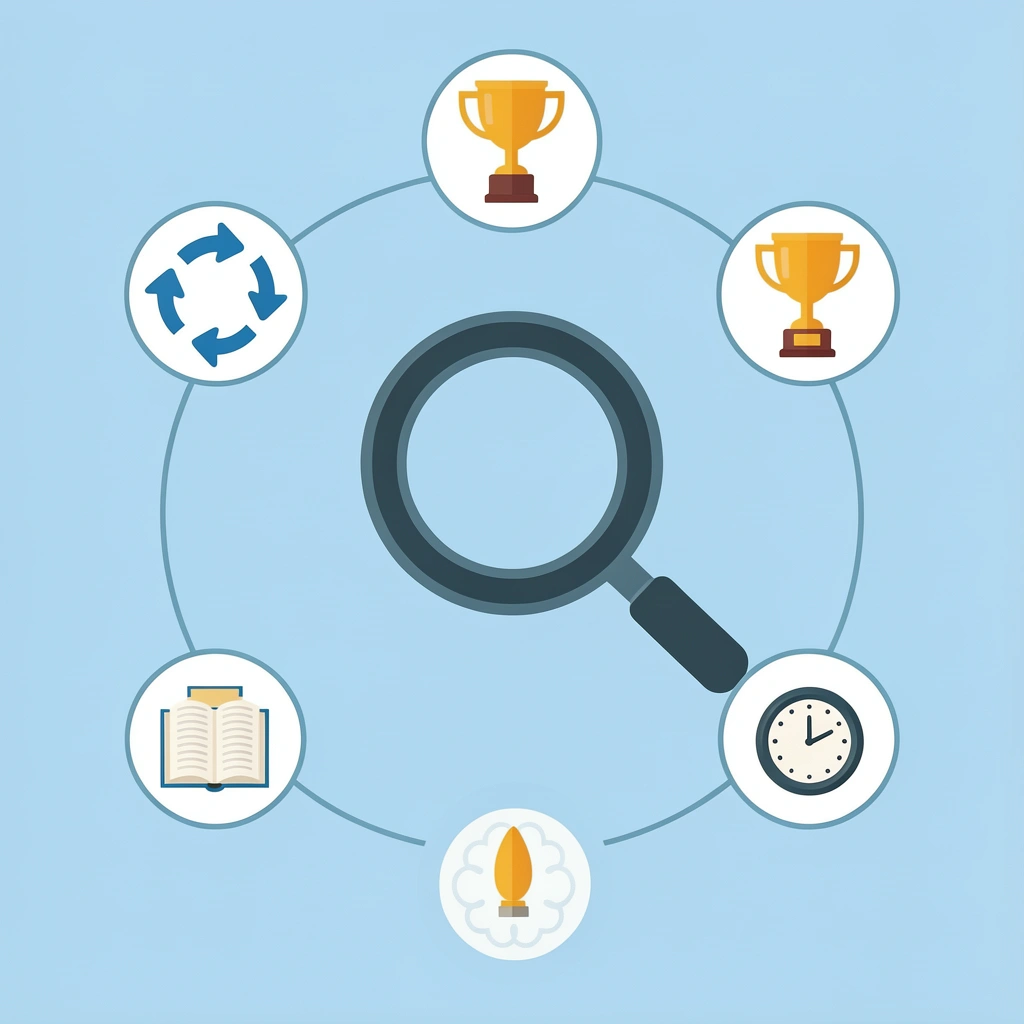
Targeting Decision-Makers With Budget Authority
Reaching the person who controls purchasing decisions eliminates weeks of circular conversations with influencers lacking approval power. Research organizational charts, recent leadership announcements, and industry-specific role hierarchies to identify who controls the budget for your solution category. Confirm authority early with direct questions like “Who on your team makes final decisions about specific challenge?”
When you speak directly with budget holders, objections surface immediately, and conversations move faster because the person across from you can say yes without seeking permission.
How do flexible frameworks improve appointment-setting conversations?
Strict scripts fall apart when prospects ask surprising questions. Good setters use conversation outlines with a strong opening, a value hook, and a clear next step, leaving room to change direction based on prospect feedback. This structure maintains professionalism without sounding robotic, allowing you to address timing concerns, budget limits, or unique problems as they arise.
Why do personalized approaches increase booking rates?
80% of B2B buyers expect personalized experiences, so generic pitches are quickly dismissed. Using frameworks as guides rather than scripts makes prospects feel heard instead of treated like a number. Booking rates improve because people commit to meetings when you demonstrate understanding of their specific situation rather than deliver a one-size-fits-all message.
How do you ask questions that uncover real needs in appointment setting?
Generic discovery questions waste time. Prepare open-ended queries tied to their industry, role, or recent company news—for example, “How has the current market shift affected your team’s priorities this quarter?” This transforms monologues into exchanges that reveal specific business challenges your solution addresses. Vague answers signal low engagement; detailed responses indicate genuine problems worth solving.
Why does surfacing specific needs improve appointment-setting outcomes?
Finding out what your prospect needs early on lets you adjust your pitch rather than deliver a generic one that misses their concerns. Prospects appreciate this approach because asking questions feels collaborative rather than sales-focused. This increases the likelihood of scheduling a meeting instead of defaulting to a follow-up promise.
How does active listening improve what is appointment setting outcomes?
Most setters talk too much and miss important signals in what prospects say. Pause after each question, listen carefully, and reflect back using phrases like “It sounds like reducing processing time is your top priority right now.” Avoid jumping to solutions before you fully understand the problem. This builds rapport because prospects recognise when someone values their perspective over pushing a pitch.
Why does discovery through listening prevent misaligned appointments?
Active listening transforms calls into discovery sessions that uncover compelling reasons to meet and prevent misaligned appointments by confirming your solution addresses their stated priorities. Over time, this sharpens qualification accuracy, ensuring every booked meeting carries genuine potential rather than polite but empty commitments that waste your sales team’s capacity.
How do you connect features to prospect outcomes effectively?
Prospects ignore feature lists but pay attention when you connect what your product does to the problems they mention. Frame every benefit around results, such as “Our approach typically reduces approval cycles by 40% for teams managing similar compliance requirements,” and support claims with brief, relevant examples. This grounds the conversation in their world rather than your product catalog, positioning your service as the logical next step.
What challenges do teams face when expanding into unfamiliar markets?
Teams entering new markets struggle to gather trustworthy information about local business practices, decision-making structures, and relationship-building norms. Sales prospecting services conduct thorough research, engage through multiple channels, and qualify leads—work that consumes significant internal resources. Our prospecting services deliver confirmed meetings with decision makers who match your criteria and expect your call. This compresses what normally takes weeks into days while maintaining the relationship quality that drives sales.
Why are clear performance metrics essential for appointment setting success?
Distractions can stop your team from setting appointments without clear goals for qualified meetings, conversion rates, and pipeline contribution. Track simple metrics like calls completed, appointments booked, and show-up rates, then adjust tactics immediately to stay on track.
This discipline stops scattered activity and ensures every outreach action drives revenue impact rather than vanity metrics like total contacts reached.
How does goal clarity create consistent appointment-setting results?
When goals are clear, you get consistent results because people setting appointments know exactly what success looks like day to day. This predictability builds momentum, driving ongoing business growth by filling sales pipelines with high-quality meetings that sales teams can close.
Related Reading
- Lead Research
- Direct Marketing Lead Generation
- B2b Sales Companies
The Appointment-Setting Process Step-by-Step
Good appointment setting follows a sequence that turns strangers into scheduled conversations. Each stage checks for a good fit before moving forward, ensuring your team invests energy only where real potential exists.

🎯 Key Point: The most effective appointment-setting systems use qualification checkpoints at every stage to prevent wasted time on unqualified prospects.
“Structured appointment-setting processes can increase conversion rates by 40% compared to unstructured outreach approaches.” — Sales Development Research, 2024

⚠️ Warning: Skipping the qualification steps might seem faster, but it actually wastes more time by booking appointments with prospects who will never buy.
How do you define prospects who match your ideal customer profile?
Describe specific characteristics that separate ideal customers from everyone else. Look beyond surface details like company size or industry to behaviours that signal readiness: recent funding announcements, leadership changes, regulatory shifts affecting their sector, or public statements about strategic priorities aligned with your solution.
This precision prevents wasted outreach on contacts who won’t convert because their circumstances lack urgency for your solution.
What is the role of appointment setting in building targeted prospect lists?
Create focused lists of 50 to 100 contacts by identifying quality signals that indicate engagement potential. Use professional networks, industry publications, and verified databases to find direct contact information for decision-makers, then cross-reference it against recent company news to ensure optimal timing.
When you know a prospect has just hired a new operations director who needs to update old systems, your outreach feels relevant rather than like a random cold call.
Opening Dialogue That Establishes Context
Your first contact determines whether people will pay attention to you or ignore you. Write messages that mention specific details about their business, recent projects, or industry problems they face. Show that you spent time learning about their world before asking them to learn about yours.
Use multiple channels strategically instead of relying solely on email or phone. A LinkedIn connection request followed by a personalised message mentioning shared connections or mutual interests often opens doors that cold emails cannot. If you haven’t received a response, follow up with a phone call two days later, referencing your earlier outreach to create continuity.
Screening for Budget, Authority, and Timing
Not every interested prospect deserves a spot on your calendar. Ask direct questions to reveal whether they control purchasing decisions, have allocated budget for solutions like yours, and face timelines that create urgency.
Phrases like “Walk me through how decisions like this typically get made at your company” uncover approval processes without sounding accusatory, while “What’s driving the timing around this initiative?” surfaces whether you’re dealing with active projects or distant possibilities.
Why does qualification improve appointment-setting conversion rates?
Only 2-5% of cold leads turn into appointments. Qualification separates productive work from empty activity.
When you check if a prospect is a good fit before scheduling a meeting, conversion rates increase because you’ve confirmed the prospect matches criteria that historically predict closed deals.
How do regional differences affect what is an appointment setting qualification?
Companies expanding into unfamiliar markets often struggle with this step because decision-making processes, budget structures, and purchasing authority vary significantly by region.
Our sales prospecting services handle organized qualification that accounts for regional differences, combining local market knowledge with structured frameworks to set up meetings where both parties understand the situation and expectations.
Coordinating Schedules Without Friction
Once qualification confirms fit, offer two or three specific time slots rather than open-ended requests. Include calendar links that allow prospects to claim a slot with one click, eliminating email delays. Confirm immediately with a brief agenda outlining what you’ll cover and any preparation needed.
Send a reminder 24 hours before the appointment with joining instructions, expected duration, and meeting purpose. This reduces missed appointments by surfacing scheduling conflicts early enough to reschedule.
But perfectly scheduled meetings collapse without preparation or follow-through.
Common Challenges in Appointment Setting and How to Address Them
Appointment setting fails when teams treat objections as roadblocks rather than data points, lose prospects due to inconsistent follow-up, or waste time on contacts without decision authority. Solving this requires treating appointment setting as a diagnostic process that improves through pattern recognition rather than volume.

🎯 Key Point: The most successful appointment setters view every objection as valuable intelligence about prospect needs, timing, and decision-making processes rather than rejection.
“Pattern recognition in appointment setting can increase conversion rates by 40% when teams systematically track and analyze prospect responses.” — Sales Development Research Institute, 2024

⚠️ Warning: Teams that focus solely on call volume without analyzing why appointments fail to convert often see diminishing returns and higher prospect fatigue.
| Common Challenge | Root Cause | Solution Approach |
|---|---|---|
| Objection Handling | Treating pushback as rejection | Document patterns and develop targeted responses |
| Follow-up Gaps | Inconsistent timing and messaging | Systematic cadences with personalized touchpoints |
| Wrong Contacts | Lack of qualification process | Authority mapping before initial outreach |

How should you respond when prospects reject your outreach?
Rejection reveals information about timing, fit, or messaging that acceptance never does. When a prospect says “not interested,” ask one clarifying question: “Is this a priority issue for your team right now, or is the timing off?” That single question separates permanent disqualification from temporary constraints, converting a closed door into a future pipeline when circumstances shift.
Track rejection reasons systematically across dozens of calls to identify whether your targeting criteria need adjustment, your value proposition misses the mark, or you’re reaching prospects before urgency develops.
Why do appointment-setting teams struggle with rejection?
Teams that see rejection as personal failure burn out quickly. The strongest setters understand that 60% of sales teams struggle with no-shows and cancellations, recognising the problem as industry-wide rather than a reflection of individual performance.
Think of rejection as a qualification working correctly: it filters out bad matches before they consume sales time, allowing you to identify patterns.
How do you balance persistence with professionalism in appointment setting?
Persistence without structure feels like harassment to prospects, while gaps in follow-up signal disorganization that kills trust. Define contact schedules before launching outreach: three touches over 10 days for warm leads, five touches over 3 weeks for cold prospects, with each interaction delivering new value rather than repeating the same ask.
Use varied channels (email, phone, LinkedIn) so prospects encounter your message through their preferred medium, rather than bombarding a single inbox they’ve already decided to ignore.
What is appointment setting’s impact on team efficiency?
Most teams quit too early or push too hard because they can’t see what’s working. Our sales prospecting services handle systematic research, multi-channel outreach sequencing, and qualification, delivering confirmed meetings with decision makers who match your profile and expect your call.
This maintains relationship quality while compressing the timeline from weeks to days.
Effective Lead Qualification
Unqualified appointments waste time when surface-level screening misses budget constraints, approval hierarchies, or timeline mismatches. Use frameworks like BANT (Budget, Authority, Need, Timeline) during initial conversations to confirm prospects’ control of purchasing decisions, have allocated funds, face urgent problems, and work on compatible schedules. Disqualify immediately when any element fails, or nurture until circumstances change rather than forcing unproductive meetings.
How do qualification conversations reveal prospect engagement levels?
The qualification conversation reveals how prospects think about their challenges. Vague answers to specific questions about budget or decision processes signal low engagement, while detailed responses indicate they’ve invested mental energy in solving the problem you address. This distinction predicts conversion better than company size or industry category.
Related Reading
- Msp Appointment Setting
- Telemarketing Appointment Setting
- B2b Lead Generation Companies In Singapore
Download our Free Asia Expansion Playbook
Tools matter when they enhance your judgment rather than replace it. Your team needs systems that accelerate research, automate repetitive qualification steps, and surface decision-maker intelligence while preserving the human context that drives conversations. The right systems recognize patterns across hundreds of prospects while leaving room for the strategic thinking that distinguishes qualified meetings from calendar clutter.

Expanding into Asian markets adds layers that most internal teams underestimate. Cultural communication norms, decision-making hierarchies, and relationship-building expectations shift dramatically across 25+ countries, rendering Western market approaches ineffective. Reaching decision-makers requires local knowledge of timing, messaging cadence, and credibility signals that generic outreach templates cannot address. This gap explains why many Asia expansion efforts stall before the first meaningful conversation.
🎯 Key Point: Cultural intelligence is not optional when expanding into Asian markets – it’s the difference between qualified meetings and wasted outreach.

“Expanding into Asian markets adds layers most internal teams underestimate across 25+ countries, turning what works in Western markets into noise.” — Regional Market Analysis, 2024
Platforms like sales prospecting services handle systematic research, multi-channel outreach sequencing, and cultural qualification that would consume weeks of internal bandwidth. Our platform delivers confirmed meetings with decision-makers who match your profile and expect your call, as the groundwork has already been validated. This approach compresses timelines from months to weeks, turning Asia expansion from aspiration into a pipeline.

🔑 Takeaway: The right prospecting platform can compress your Asia expansion timeline from months to weeks by handling cultural qualification and systematic research that would otherwise consume your internal bandwidth.
Ready to fill your calendar with qualified opportunities in Asian markets? Book a free strategy call to explore how systematic prospecting translates your goals into booked meetings, or download our free Asia Expansion Playbook for frameworks accounting for regional nuances most teams miss.